
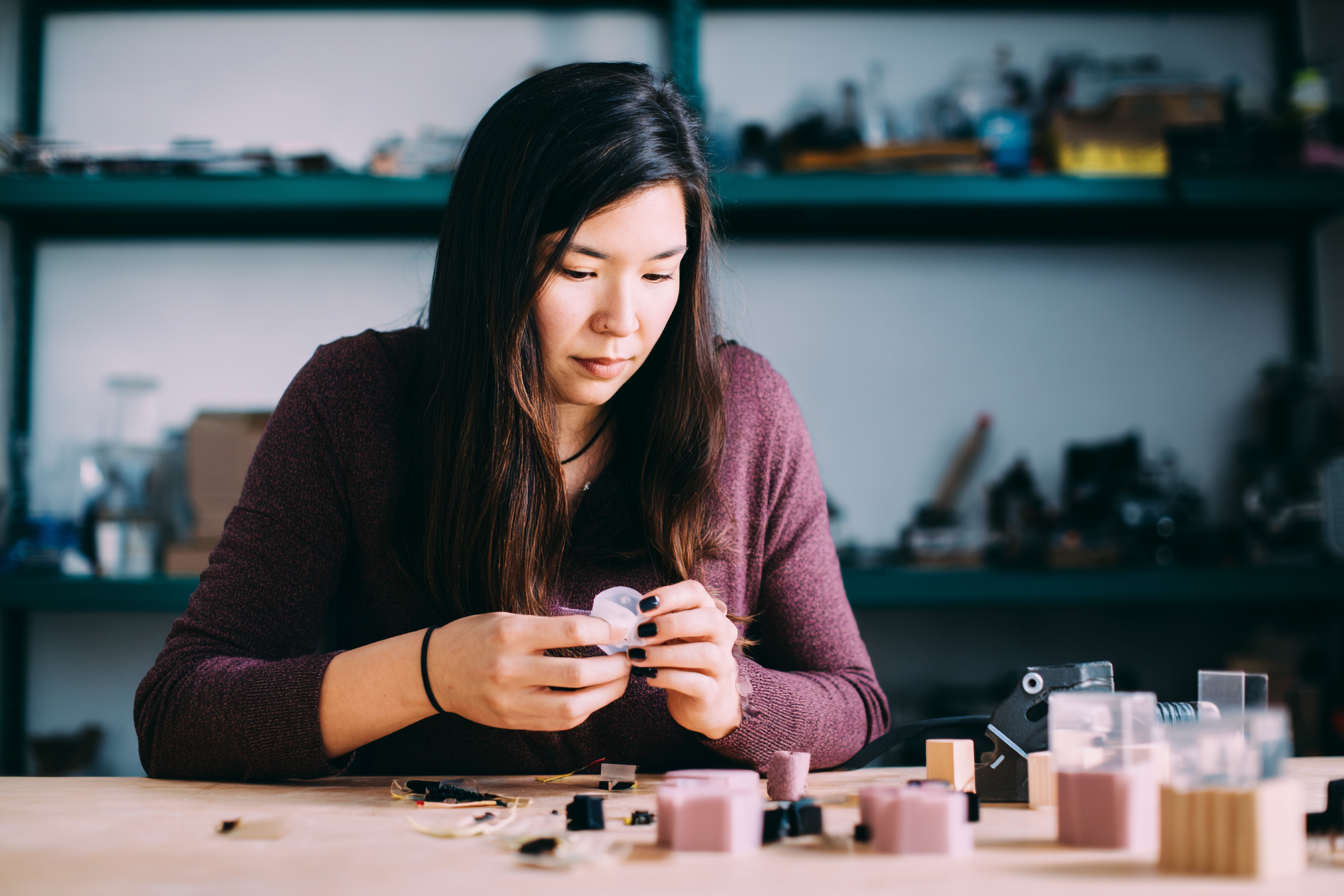
You’re a First-Time Inventor
This explains why you’ve felt stuck at the starting line—and how to move forward without wasting time, money, or your idea’s potential.
You’re at the exact point where ideas either stay theoretical—or begin to take shape with the right guidance.
Founder Blueprint Overview Quick Jump Links
This is you • What you’re doing right • Hidden constraint • Time & money leaks • If nothing changes • Next 3 moves • Best support path
This is you if…
You have an idea you can’t stop thinking about.
You see the product clearly in your mind—but translating it into something real feels overwhelming, confusing, or risky.
You’ve done some research.
You’ve Googled manufacturers.
You may have even reached out to a few suppliers—but every step forward seems to raise more questions than answers.
At some point, excitement turned into hesitation.
Not because the idea isn’t good—but because you’re afraid of doing it wrong.
What You’re Doing Right
First-time inventors are often underestimated—and that’s a mistake.
You’re starting from a place of intention. You’re thinking carefully about what you want to build, why it matters, and how it should exist in the world.
You haven’t rushed into production just to “see what happens.”
You haven’t cut corners to get something out quickly.
That restraint is a strength.
It means you care about longevity—not just launching.
Your Hidden Constraint
Your biggest obstacle isn’t knowledge.
It’s fear—specifically, the fear of irreversible mistakes.
- Choosing the wrong factory
- Spending money you can’t get back
- Being taken advantage of
- Having your idea copied or stolen
Because of this, you over-research, delay outreach, and wait for certainty that doesn’t exist at this stage.
The result? You stay stuck in preparation mode—when momentum is what would actually protect you.
Where Time and Money Quietly Leak
- Waiting until you feel “100% ready” to contact suppliers
- Comparing advice from too many sources with no clear filter
- Avoiding factory conversations because you don’t know what to say
- Letting fear of being copied stop forward movement
The longer you stay here, the more the idea lives only in your head—where it can’t grow.
If Nothing Changes…
Months pass.
You’re still thinking about the idea. Still refining it. Still unsure how to start.
Eventually, one of two things happens:
- You abandon it—not because it wasn’t good, but because it felt too heavy to carry alone
- Or someone else launches something similar, and you’re left wondering “what if?”
The real risk isn’t failing.
It’s never giving the idea a chance to exist.
Start Here: Your Next 3 Moves (In Order)
You don’t need to do everything at once. These are the three steps that matter right now for founders like you.
-
Clarify the problem your product solves.
Define the single, specific problem your product exists to solve—without adding features prematurely. -
Define the simplest viable version.
Strip the idea down to the version that can be prototyped without over-engineering or unnecessary cost. -
Start the right kind of factory conversation.
Learn what to say, what not to say, and how to gather real information while protecting your idea.
You don’t need to have it all figured out yet.
You just need a clear first move.
Before the worksheets, you had an idea you believed in—but no clear way to explain it, validate it, or move it forward without fear of wasting money or having it done wrong.
After the worksheets, you have a clearly defined product concept, a realistic first version to pursue, and the confidence to begin a sourcing conversation knowing what you’re asking for and why.
That’s what gets First-Time Inventors unstuck: moving from idea paralysis to informed forward motion.
From here, you can move thoughtfully—testing, refining, and learning without rushing or overspending.
Or, if you want more structure as you move forward, there are clear next paths.
Smart Start Method helps you pressure-test your idea before committing real capital. You’ll work through investment expectations, pricing logic, and market validation so your first move is grounded—not speculative.
Smarter Sourcing builds on that foundation and guides you through factory selection, communication, sampling, and delivery—so your first physical product doesn’t rely on guesswork.
You don’t need to have all the answers yet. You just need a safe, structured way to start.
GET THE FREE GUIDE
Enter your details below to get this free guide.